
If you’ve already decided you’re going bear viewing in Alaska, the next question is almost always the same one: boat or plane? Both methods get you to the same place: The beaches and sedge flats of Lake Clark National Park, across Cook Inlet from Homer. But the trip itself, the cost, and even how reliably it happens on your scheduled day can look pretty different depending on which one you book.
Here’s the short version: bear viewing by boat tends to cost less, holds up better against Alaska’s fast-changing weather, and turns the crossing itself into part of the wildlife experience. Bear viewing by plane gets you there faster and can reach a few more remote pockets of coastline. Below is what actually separates the two, so you can pick the Alaska bear viewing tours that best fit your trip.
The Case for Bear Viewing by Boat
Bear viewing by boat in Alaska starts working in your favor before you even reach the bears. The crossing from Homer, roughly an hour each way, runs through some of the busiest wildlife waters on the Kenai Peninsula. Orcas, harbor seals, porpoises, and sea otters are common sightings along the way, and the volcanoes ringing Cook Inlet, Mount Iliamna in particular, stay in view for most of the ride. None of that happens in a small plane, where the window only shows you so much, and the flight is over before it’s really begun.
Boats also handle Alaska’s weather better. Coastal conditions here can shift from clear to socked-in within the hour, and small aircraft are the first thing grounded when fog or wind moves in. A boat has more room to work around rough weather, which means fewer canceled or rescheduled trips. And because a boat tour skips the fuel and aircraft costs baked into flightseeing, bear viewing by boat in Homer, Alaska typically runs noticeably cheaper than the plane equivalent, without cutting into your time with the bears.
The Case for Bear Viewing by Plane
Flying isn’t without its own advantages. A plane covers the distance to Lake Clark, or the more remote Katmai National Park, in a fraction of the time a boat takes, and it can reach coastline that simply isn’t accessible by water. If your priority is getting to the most remote possible location, or you’re set on Katmai specifically, a plane is the way to do it. Some flightseeing operators also build in extra aerial time over glaciers and volcanoes as part of the route.
The trade-off is what you give up along the way: no bonus wildlife during the flight, a higher price tag, and, somewhat counterintuitively, more exposure to weather delays, since small aircraft are held to stricter visibility and wind minimums than boats.
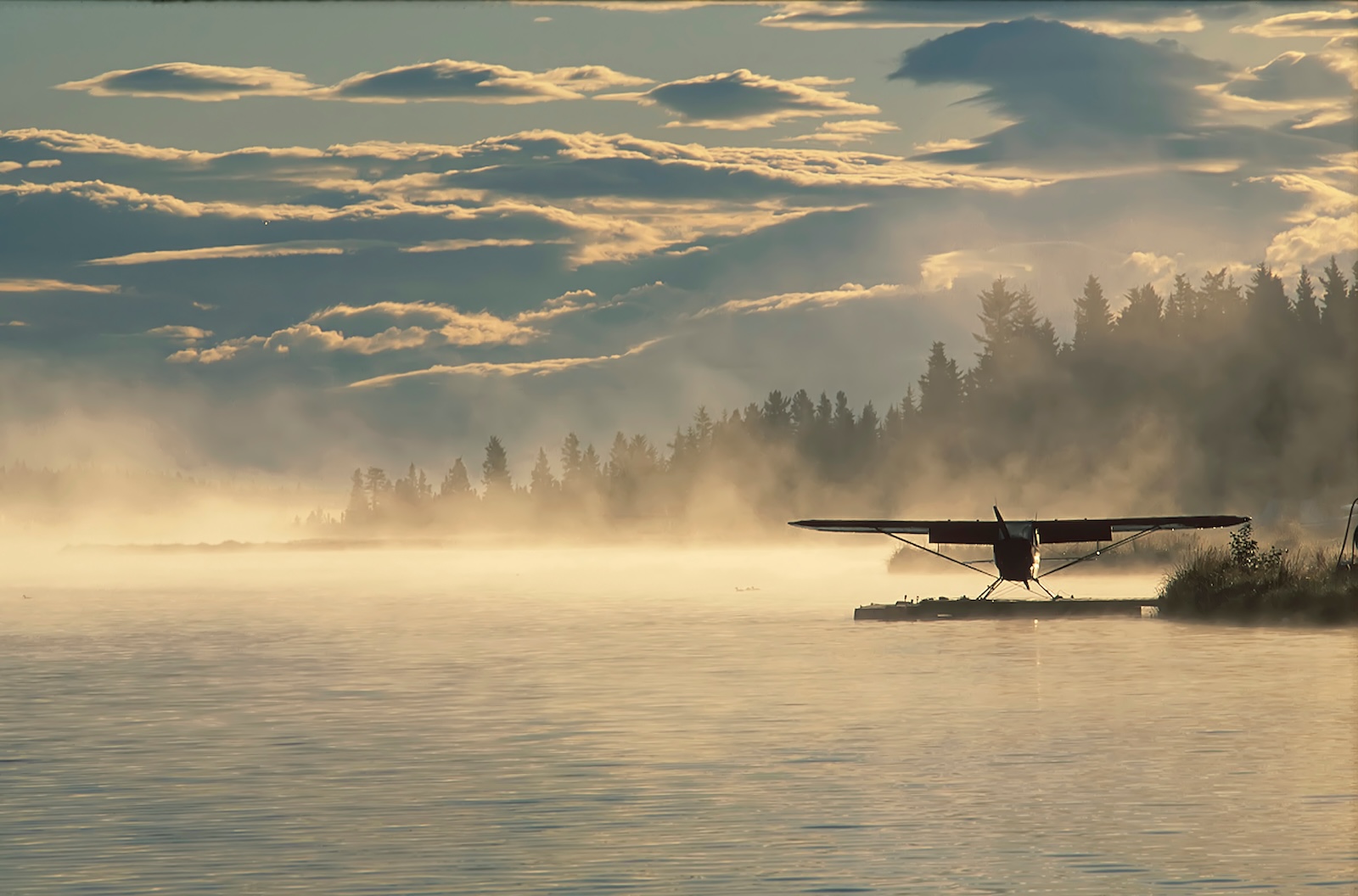
Cost Comparison: Boat vs. Plane Bear Viewing From Homer
Pricing varies by operator, trip length, and season, but the gap between boat and plane bear viewing out of Homer is consistent enough to matter when you’re planning a trip:
Operator Method Price (per person) Trip Length
- Alaskan Destinations Boat: $675 Half-day (8 am–1 pm)
- Driftwood Inn Plane: Starting at $995 Full-day (~5 hrs)
- Alaska Bear Adventures Plane: $1,190 ~5–7 hrs, 3 hrs with bears
- Alaska Ultimate Safaris Plane: From $1,350 ~7 hrs
Third-party pricing is current as of 2026 and subject to change by each operator.
That’s a swing of $300–$675 per person between the boat option and the plane operators above. For a family of four, the difference can run well over $1,000. Some of that gap reflects a longer day and more air time, but if your main goal is quality time with the bears rather than a longer sightseeing flight, boat trips deliver comparable time on the ground for meaningfully less.
Weather & Trip Reliability
This is the part first-time visitors tend to underestimate. Alaska’s coastal weather doesn’t follow a predictable pattern, and fog, wind, and low cloud ceilings are common enough in bear country that they’re a real planning factor, not an edge case. Small aircraft operate under stricter safety minimums for visibility and wind than boats do, which means flightseeing trips are more likely to be delayed, rerouted, or canceled outright on a marginal-weather day.
Boats aren’t immune to weather either; a bad storm can cancel any trip, water or air. But day-to-day, a boat has more flexibility to work around fog banks, shifting wind, and the kind of low-grade unsettled weather that grounds small planes without necessarily making the water unsafe. If you’re working with a tight travel window and can’t afford a wasted day, that reliability gap is worth factoring in.
Hour-by-Hour: What Each Trip Actually Looks Like
Alaskan Destinations’ boat trip:
- 8:00 am — Depart the dock in Homer (exact time shifts with the tide)
- 8:00–9:00 am — Crossing Cook Inlet, watching for orcas, otters, and seabirds
- 9:00 am–12:30 pm — Ashore in Lake Clark National Park in hip boots, viewing bears at a guided distance
- 12:30–1:00 pm — Return crossing to Homer
Total time away from the dock: about 5 hours
A typical plane trip (representative of area operators):
- Departure time varies with tides and weather
- 45 minutes–1 hour flight each way
- 1.5–3 hours on the ground with bears
Total time away from Homer: about 5–7 hours
The two aren’t wildly different in overall length. The real difference is what happens during the transit time: a boat trip spends that hour actively looking for wildlife, while a plane trip spends it in the air with a narrower view.
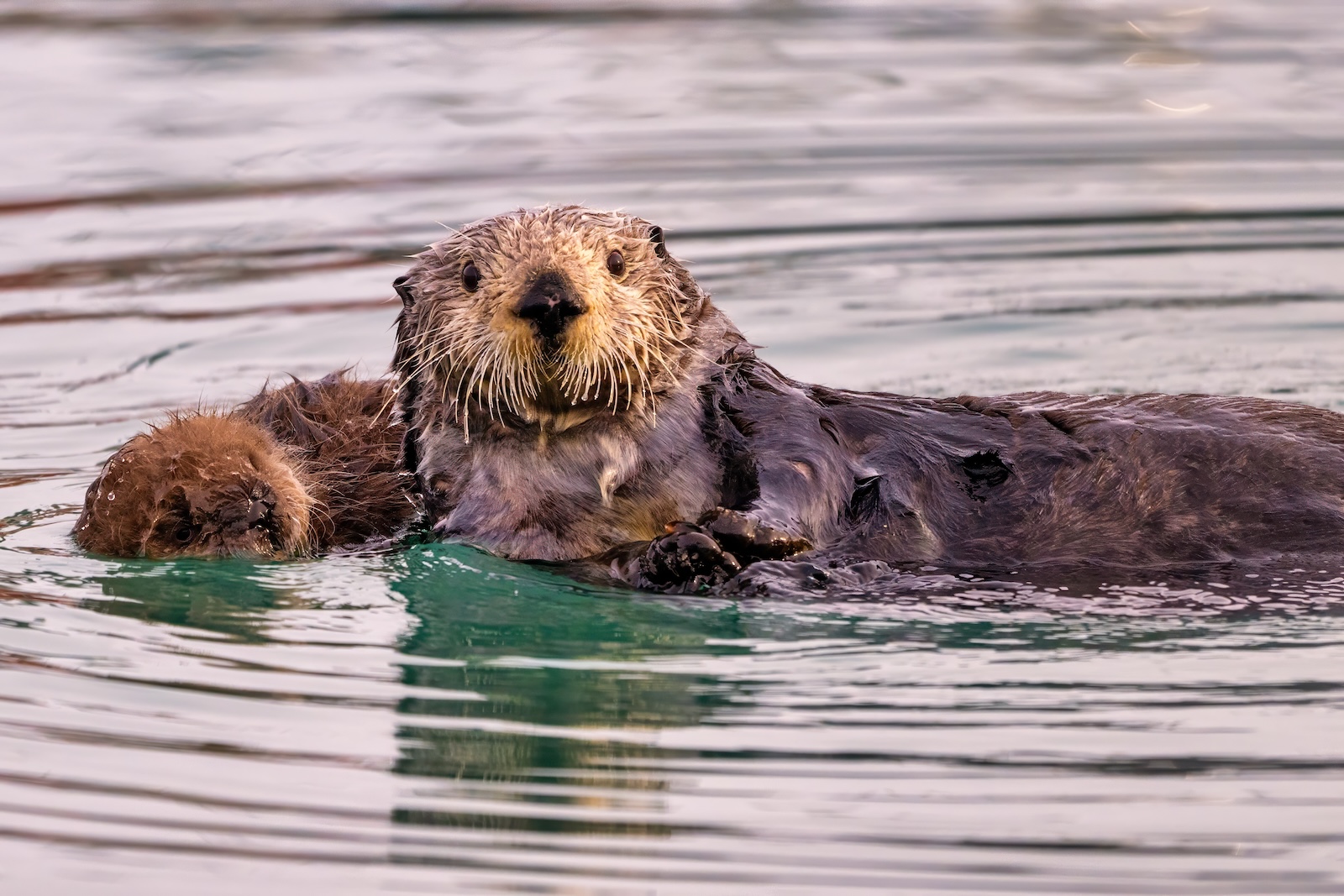
The Bonus Wildlife You Only See By Boat
Ask anyone who’s done both, and the crossing itself is often what people remember from a boat trip. Cook Inlet between Homer and Lake Clark is genuinely active water. Guests regularly spot orcas working the inlet, sea otters floating belly-up in rafts, harbor seals hauled out or bobbing near the boat, and porpoises cutting through the wake. Add the seabirds working the surface and the long, unbroken view of the volcanoes across the inlet, and the boat ride becomes its own wildlife-viewing experience rather than a means to an end.
So Which Should You Choose?
Choose bear viewing by boat if:
- You want the lowest-cost option without giving up time with the bears
- You’d like a shot at marine wildlife (orcas, otters, seals) along the way
- You’re traveling with a tighter budget or a family and want fewer surprises on cost
- You’d rather not risk a weather-related cancellation on a short trip
Choose bear viewing by plane if:
- You specifically want to visit Katmai National Park rather than Lake Clark
- Covering more remote ground matters more to you than the journey itsel
- You’re comfortable with a higher price point and a longer overall day
- Your schedule has enough flexibility to absorb a possible weather delay
- What Alaskan Destinations’ Bear Viewing Trip Includes
Alaskan Destinations runs guided bear viewing trips by boat from Homer into Lake Clark National Park for $675 per person. Trips run as half-day excursions, typically 8 am to 1 pm, with hip boots provided and a strict limit of 6 guests per boat to keep the experience uncrowded. On a typical trip, guests see 10–20 brown bears feeding, digging for clams, and moving with cubs across the tidal flats. Trips run May through September, with departure times shifting with the tides.
Full details on what to expect, including packing tips and season-by-season bear behavior, are covered in our guide to Alaska bear viewing tours. Ready to book? Visit our bear watching page to reserve your spot.
Frequently Asked Questions
Is bear viewing by boat safe in Alaska?
Yes. Guided boat trips to Lake Clark National Park keep guests at a respectful, guide-directed distance from bears at all times, and experienced guides read bear behavior closely to reposition the group if a bear approaches. The boat crossing itself is run by licensed operators familiar with Cook Inlet’s conditions.
Do you see fewer bears by boat than by plane?
Not typically. Both methods reach the same national park and the same feeding areas, so bear sightings are comparable. The real differences are in cost, trip reliability, and what you see during the transit itself.
Is bear viewing by boat cheaper than by plane?
Generally, yes. Boat trips avoid the fuel and aircraft costs built into flightseeing tours. As shown above, boat trips out of Homer typically run several hundred dollars less per person than comparable plane trips.
Can weather cancel a boat bear-viewing trip too?
It can, though less often than plane trips. Boats have greater flexibility to work around fog, wind, and shifting conditions that often ground small aircraft, but a serious storm can still affect any trip on the water.
How long is the boat crossing from Homer to Lake Clark National Park?
About an hour each way, depending on conditions and tides.
Is bear viewing by boat family-friendly?
Yes. Guided boat trips work well for families, with guides experienced at pacing the walk across the tidal flats for different ages and comfort levels. Check current age and weight guidelines when booking.
Ready to see Alaskan brown bears up close without the added cost of a flightseeing tour?
Book your bear viewing trip by boat with Alaskan Destinations today.